How Social Media Marketing Works: A Beginner’s Guide
In today’s digital world, businesses leverage social media platforms to boost brand awareness, engage audiences, and drive sales. But how does social media marketing work? This guide will explain its core strategies, benefits, and the step-by-step process to create a successful campaign.
What is Social Media Marketing?
Social media marketing uses channels such as Instagram, Facebook, LinkedIn, YouTube and X (formerly Twitter) to help people discover a business, ask questions and take a next step. It combines useful content, community management, optional paid advertising and measurement. Choose channels your customers use and that are available in your target market.
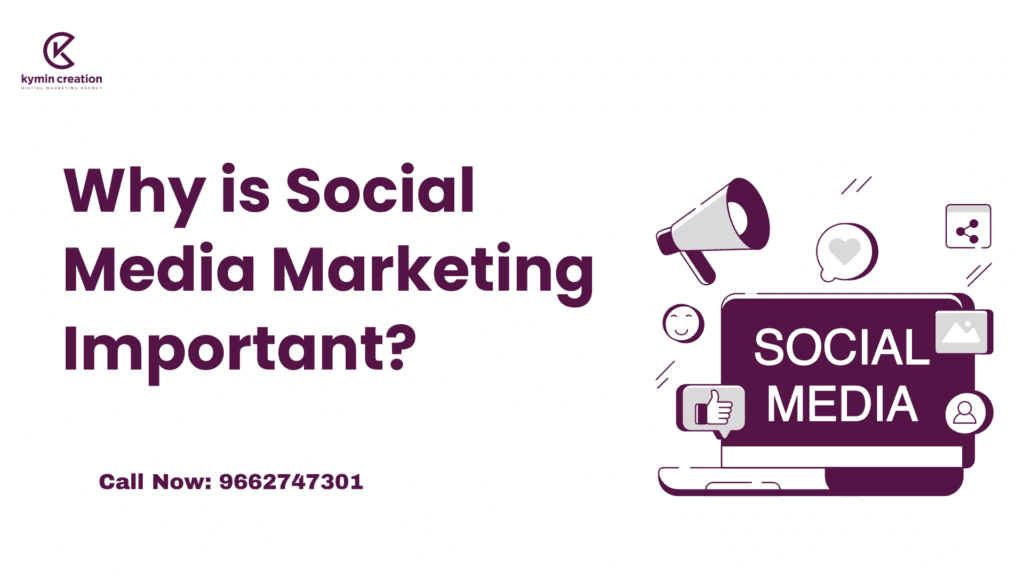
Why is Social Media Marketing Important?
- Increases Brand Awareness – Billions of users engage on social media daily, making it a powerful channel for visibility.
- Boosts Website Traffic – Sharing valuable content with strong CTAs directs users to your website.
- Improves Customer Engagement – Direct interaction with customers fosters trust and loyalty.
- Generates Leads & Conversions – Strategic campaigns turn followers into paying customers.
- Supports Content Discovery – Social posts can introduce people to useful website content and generate referral visits; likes and shares do not guarantee higher Google rankings.
- Flexible Testing Budgets – Start with a manageable publishing schedule and, if appropriate, a limited ad test. Compare production costs and qualified enquiries before increasing spend; better ROI is not automatic.
- Competitor Analysis – Businesses can track competitors’ activities and adjust their strategies accordingly.
How Social Media Marketing Works: Step-by-Step Guide
1. Define Goals & Objectives
Establish clear objectives such as increasing followers, improving engagement, generating leads, or driving website traffic.
2. Identify Target Audience
Understand your audience’s demographics, interests, and behaviors to create relevant content that resonates.
3. Choose the Right Platforms
Select platforms based on your industry and target market. For example:
- Facebook & Instagram – Ideal for B2C businesses, eCommerce, and lifestyle brands.
- LinkedIn – Best for B2B marketing and professional networking.
- X (formerly Twitter) – Consider it for timely updates and customer conversations when your audience is active there.
- YouTube & Instagram Reels – Consider demonstrations, answers to common questions and behind-the-scenes videos. Match the format to your audience rather than assuming all video viewers are young.
- Pinterest – A great option for visual-focused businesses such as fashion, beauty, and home decor.
4. Develop a Content Strategy
Create a mix of engaging content types such as:
- Images & Infographics – Visually appealing content boosts engagement.
- Videos & Reels – Short-form videos attract high interactions.
- Live Streams – Real-time interaction fosters authenticity.
- User-Generated Content – Encourages audience participation and trust.
- Blogs & Articles – Sharing valuable insights establishes authority.
- Polls & Contests – Interactive content that encourages engagement and participation.
5. Implement Paid Advertising
Paid social media ads enhance reach and targeting. Platforms like Facebook Ads, Instagram Ads, and LinkedIn Ads allow businesses to refine their audience based on age, interests, location, and behaviors. Key benefits of paid advertising include:
- Increased brand exposure
- Better audience segmentation
- Retargeting options for higher conversions
- A/B testing capabilities for optimization
6. Engage & Interact
Consistently respond to comments, messages, and reviews to build strong customer relationships. Engagement increases brand credibility and loyalty. Effective engagement strategies include:
- Hosting live Q&A sessions
- Conducting interactive stories and polls
- Responding to comments with personalization
- Building relationships with brand advocates and influencers
7. Monitor & Analyze Performance
Use tools like Google Analytics, Facebook Insights, and Instagram Analytics to measure:
- Engagement rate
- Click-through rate (CTR)
- Conversion rate
- Audience growth
- Best-performing content types
Review results against one business goal. For an Ahmedabad service business, record enquiries, qualified enquiries and appointments separately; a rise in followers alone does not show sales growth. Add campaign tags to website links and compare analytics with your enquiry log. Use our social media KPI guide to choose measures beyond follower counts.
How to Choose the Right Social Media Marketing Agency
Finding the best social media marketing agency for small businesses can significantly impact your success. Consider the following when selecting an agency:
- Experience & Expertise – Look for agencies with a proven track record.
- Affordable Services – Search for an social media package checklist to fit your budget.
- Industry Specialization – If you run an eCommerce business, opt for a social media marketing agency for e-commerce brands.
- Client Testimonials & Reviews – Check feedback from past clients.
- Customized Strategies – Ensure they offer tailored marketing solutions to meet your needs.
- Transparency & Communication – The agency should provide clear reports and insights into campaign performance.
Best Practices for Effective Social Media Marketing
- Post Consistently – Maintain a regular posting schedule to stay relevant.
- Use Hashtags Strategically – Increases content discoverability.
- Leverage Influencer Marketing – Collaborating with influencers boosts brand credibility.
- Optimize for Each Platform – Tailor content formats to suit platform-specific algorithms.
- Stay Updated with Trends – Adapting to new trends keeps your brand relevant.
- Utilize Automation Tools – Scheduling tools like Hootsuite, Buffer, or Meta Business Suite help streamline posting.
- Engage in Social Listening – Monitor online conversations about your brand to improve reputation and customer experience.
Common Mistakes to Avoid in Social Media Marketing
- Inconsistent Posting – Posting irregularly reduces audience engagement.
- Ignoring Analytics – Not tracking performance data leads to ineffective strategies.
- Over-Promotion – Excessive self-promotion without value-driven content pushes audiences away.
- Neglecting Customer Engagement – Failing to respond to comments and messages weakens brand relationships.
- Not Adapting to Trends – Social media is ever-evolving; brands should stay updated.
Conclusion
Understanding how social media marketing works helps businesses harness its full potential for brand growth, audience engagement, and lead generation. By implementing strategic planning, quality content, and data-driven decisions, businesses can achieve significant success in digital marketing.
Looking to enhance your social media presence? Kymin Creation is the best social media marketing agency for small businesses, providing expert services at an affordable price. Contact us today to grow your online reach!
Start with a small, repeatable plan: choose a goal, select one or two channels, publish useful answers and review enquiries each month. Our step-by-step social media marketing plan explains how to organise the work.