On-Page SEO vs Off-Page SEO – What’s More Important? | Kymin Creation
In today’s competitive digital world, every business wants to rank higher on Google. But the big question is — what matters more: On-Page SEO or Off-Page SEO?
Both are essential pillars of a successful SEO strategy, and understanding their roles can help you optimize your website for maximum visibility. Whether you’re a small business, startup, or established brand, knowing the difference can change how effectively you grow online.
In this blog, we’ll break down On-Page SEO and Off-Page SEO with clear explanations, benefits, examples, and professional insights used by top agencies like Kymin Creation to deliver outstanding search engine results.
⭐ What Is On-Page SEO?
On-Page SEO refers to all the optimizations done on your website to help search engines understand and rank your pages better.
● Key Elements of On-Page SEO
- High-quality content: Informational, keyword-rich, and valuable content for users
- Title tags & meta descriptions: Clear, clickable, and keyword-focused
- URL structure: Short, clean, and SEO-friendly URLs
- Header tags (H1, H2, H3): Organized structure for better readability
- Image optimization: Alt tags, compressed images, and descriptive file names
- Internal linking: Connecting pages to improve navigation and authority
- Mobile-friendliness: Ensuring pages work smoothly on all devices
- Website loading speed: Faster loading leads to better retention and ranking
● Why On-Page SEO Matters
- Helps Google understand your content
- Improves user experience
- Increases chances of ranking for target keywords
- Builds a strong SEO foundation
Agencies like Kymin Creation focus deeply on On-Page SEO because without a properly optimized website, even the strongest Off-Page SEO strategies can fail.
⭐ What Is Off-Page SEO?
While On-Page SEO happens on your site, Off-Page SEO includes all activities done outside your website to improve authority and search engine ranking.
● Key Elements of Off-Page SEO
- Backlink building: Getting quality and relevant sites to link back to your pages
- Guest posting: Publishing content on other reputable websites
- Social media marketing: Improving visibility and traffic through social platforms
- Brand mentions: Mentions of your brand across the internet
- Local SEO (Google Business Profile optimization): Boosting local search presence
- Influencer partnerships: Collaborations for visibility and trust
● Why Off-Page SEO Matters
- Builds trust and authority
- Helps your website gain higher rankings
- Increases domain authority (DA)
- Drives referral traffic
- Strengthens your online brand presence
Off-Page SEO is a long-term investment, and companies like Kymin Creation use powerful link-building and outreach strategies to boost rankings organically.
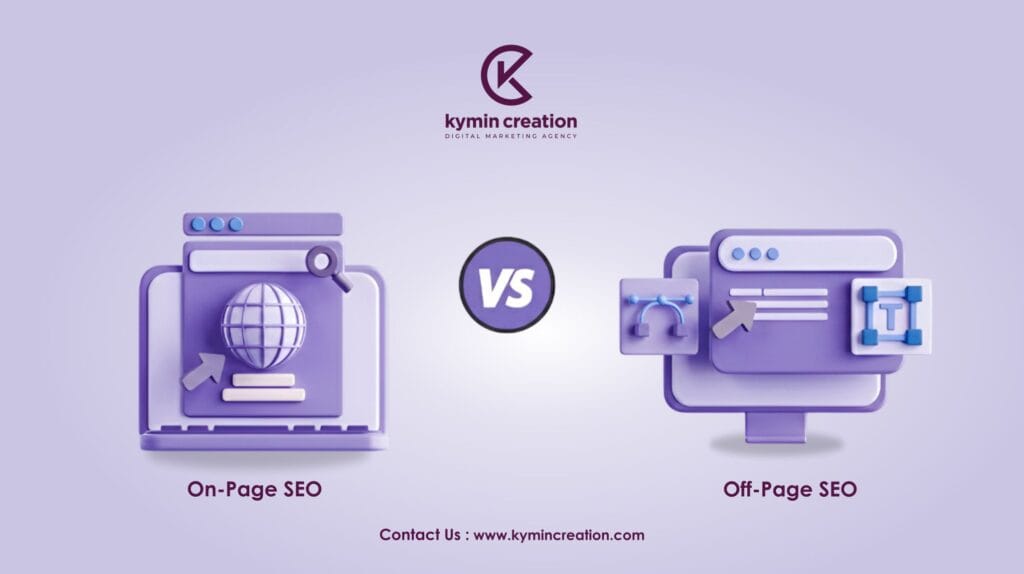
⭐ On-Page SEO vs Off-Page SEO – What’s the Difference?
● On-Page SEO Helps Search Engines Understand Your Website
- Focuses on internal content
- Improves page quality
- Enhances user experience
- Requires continuous content updates
● Off-Page SEO Helps Search Engines Trust Your Website
- Focuses on backlinks and external signals
- Boosts credibility
- Strengthens domain authority
- Builds long-term brand strength
In simple words:
👉 On-Page SEO = Optimize Your Content
👉 Off-Page SEO = Promote Your Content
Both are essential, but the balance depends on business type and competition level.
⭐ Which Is More Important: On-Page SEO or Off-Page SEO?
The truth is — neither works without the other.
However, their importance can shift depending on your goals.
● On-Page SEO Is More Important When:
- You are launching a new website
- Your site has technical issues
- You have less content online
- You need faster SEO results
- User experience is a priority
● Off-Page SEO Is More Important When:
- You want to outrank high-authority competitors
- Your niche is highly competitive
- Your website is already optimized
- You want long-term brand growth
- You need strong backlink support
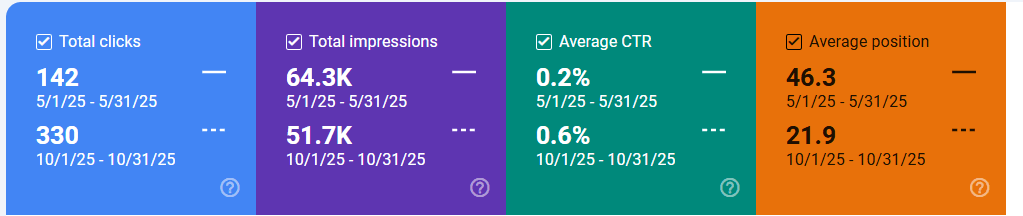
A real-world example often proves how both work together —
Case Study: How We Improved a Client’s Ranking in 90 Days
This success was possible only because both On-Page and Off-Page SEO were implemented strategically.
⭐ How On-Page & Off-Page SEO Work Together
● They Create a Balanced SEO Ecosystem
- On-Page SEO ensures search engines understand your website
- Off-Page SEO ensures your website is trustworthy
● When Both Combine, You Get:
- Higher rankings
- Increased organic traffic
- Better user engagement
- Strong brand presence
- Long-lasting SEO results
Businesses that focus on only one side of SEO often struggle to compete because search engines now evaluate both website quality and external authority.
⭐ Benefits of Combining On-Page and Off-Page SEO
● 1. Stronger Keyword Rankings
- On-Page SEO helps with keyword relevance
- Off-Page SEO boosts ranking power
● 2. Better Indexing and Search Visibility
- Search engines crawl and understand pages faster
- More pages appear in SERPs
● 3. Increased Authority and Trust
- Backlinks show credibility
- On-page quality builds user trust
● 4. More Organic Traffic
- Better ranking = more clicks
- More clicks = higher conversions
● 5. Long-Term Stability
- Balanced SEO strategies protect rankings from algorithm updates
⭐ Key Points
- SEO strategy
- search engine ranking
- keyword optimization
- backlink building
- organic traffic
- ranking factors
- content optimization
- domain authority
- Google search visibility
- On-site optimization
- Off-site optimization
⭐ Conclusion: So, What’s More Important?
Both On-Page SEO and Off-Page SEO are crucial — and choosing one over the other limits your growth.
If you want the fastest and most stable results, you must use both effectively.
A well-structured website + strong authority signals = unbeatable SEO performance.
Strong agencies like Kymin Creation always combine both strategies to deliver consistent, long-term results for clients across different industries.
If you want to grow faster, outrank your competitors, and build a powerful digital presence, start investing in both On-Page and Off-Page SEO today.